Green Walls
Technical planning for living vertical gardens
Feasibility Assessment
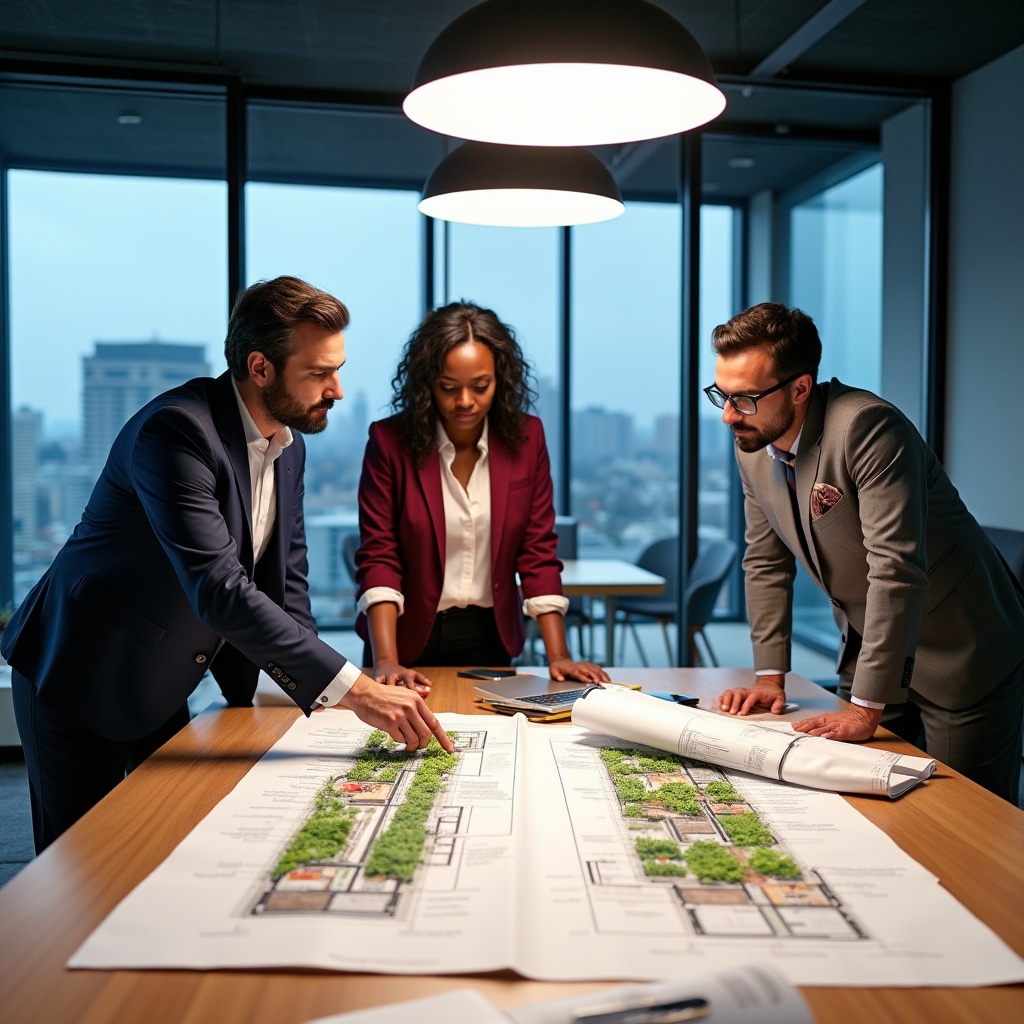
Living walls represent significant infrastructure investments that require careful evaluation before commitment. Not every wall can support a vertical garden, and not every organization has the capacity to maintain one. We conduct thorough feasibility studies examining structural capacity, water source proximity, drainage routing, and electrical access for irrigation pumps.
Our assessments consider the building envelope holistically. Wall composition affects mounting options. Proximity to HVAC systems influences microclimate conditions. Natural light availability determines species selection. We document these factors with measurements and photographs, providing clear recommendations about viability.
When conditions are unsuitable for living walls, we say so directly and suggest alternatives—freestanding green partitions, hanging installations, or large-format planters that achieve similar visual impact without infrastructure modifications.

Irrigation System Design
Reliable watering systems determine green wall longevity. We design irrigation networks that deliver consistent moisture to every plant pocket while preventing overwatering and waterlogging. Drip systems, recirculating channels, and reservoir-based approaches each suit different wall configurations.
Our designs account for water pressure variability, filtration requirements, and nutrient delivery integration. We specify timer systems with seasonal adjustment capability and include redundancy measures—overflow protection, leak detection sensors, and backup watering protocols for system failures.
Drainage management receives equal attention. Water passing through growing medium must be captured and either recycled or properly disposed of. We design collection trays, drainage channels, and connection points to building plumbing systems that prevent moisture damage.
Species Selection for Vertical Growing
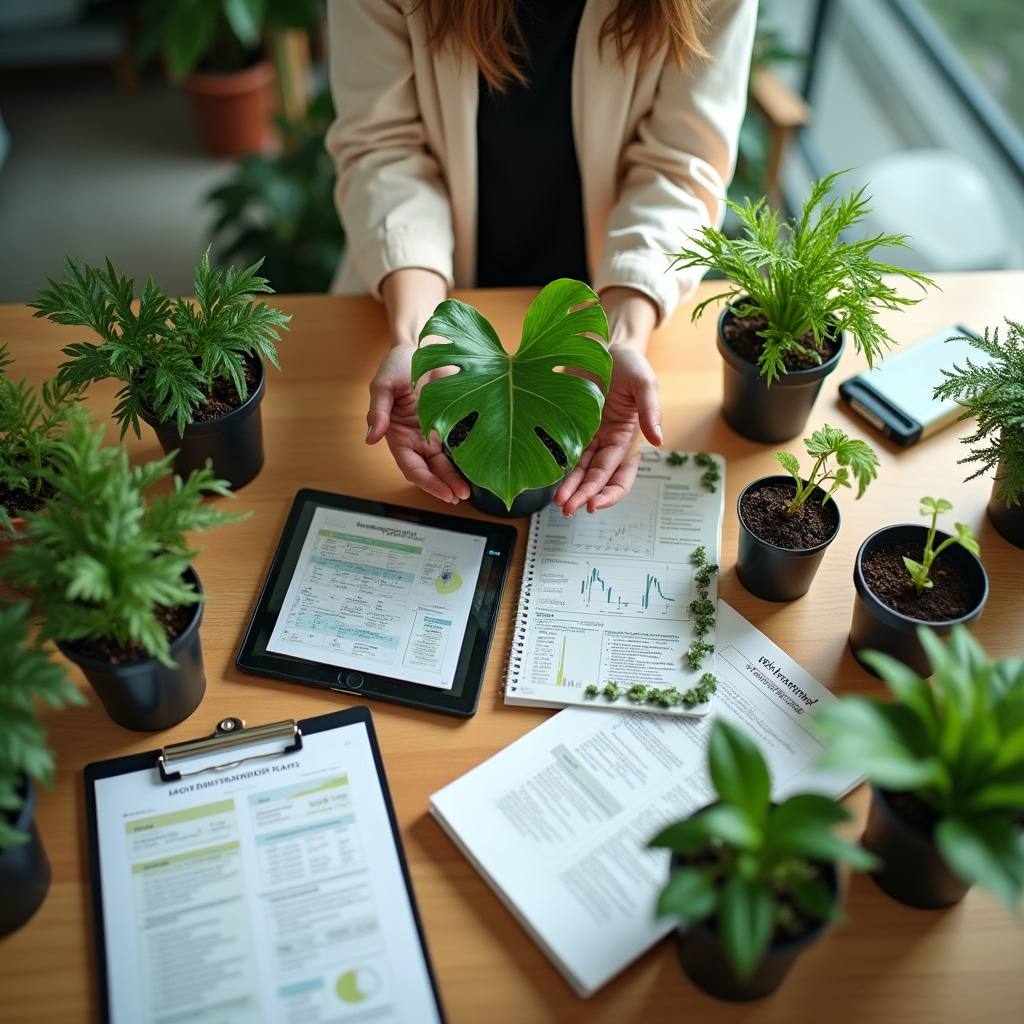
Vertical gardens impose specific demands on plant species. Root systems must anchor effectively in limited substrate. Growth habits should remain compact or trainable. Foliage needs to tolerate the drier conditions that vertical orientation creates.
We select species based on wall orientation, light exposure, and desired aesthetic outcomes. South-facing walls in glazed atriums support different species than north-facing interior walls far from windows. We create planting plans considering growth rates, color patterns, and seasonal variation.
Our species recommendations include replacement strategies. Some positions in green walls experience higher stress—top rows dry faster, bottom rows receive less light. We plan for selective replacement without disrupting the overall composition.
Structural Considerations
Weight Load Analysis
A saturated green wall can weigh 30–80 kg per square meter depending on the system type and substrate depth. We calculate total load including water weight at maximum saturation and verify that existing wall structures can support this.
Waterproofing & Moisture Protection
Moisture management behind the green wall prevents structural damage. We specify waterproof membrane systems, air gaps for ventilation, and moisture monitoring points that allow early detection of any breaches.
Lighting Solutions
Interior green walls frequently require supplemental lighting to sustain plant health. We specify LED grow-light systems that provide photosynthetically active radiation in the correct spectrum and intensity.
Maintenance Access
Green walls require regular pruning, plant replacement, and system inspection. We design installations with maintenance accessibility in mind—specifying safe reach heights, recommending access platforms for taller walls, and planning plant layouts that allow individual specimens to be removed without disturbing neighbors.
Long-Term Viability
We plan green walls with a minimum 10-year operational horizon. This means selecting durable mounting systems, specifying replaceable components, and designing irrigation infrastructure that can be serviced without dismantling the entire installation.
Annual maintenance budgets are estimated during the planning phase so organizations can make informed decisions about total cost of ownership.
Our commitment to honest feasibility assessment means some prospective clients learn that green walls are not appropriate for their specific situation. We consider this a valuable outcome—preventing investment in installations that would struggle serves everyone's interests better than proceeding with problematic projects.