Our Expertise
Specialized knowledge for thriving indoor ecosystems
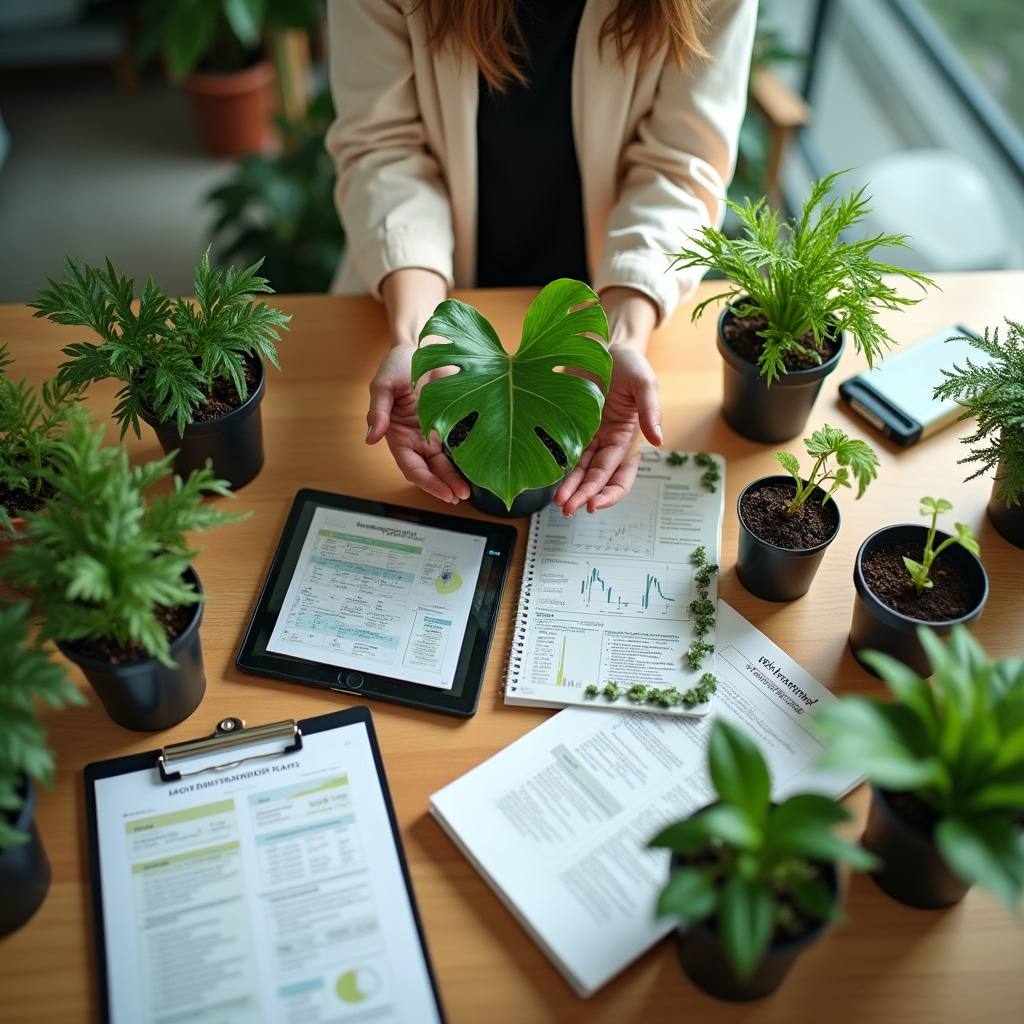
Plant Selection Methodology
Choosing appropriate species requires matching botanical requirements to environmental realities. We assess light intensity at various times of day and seasons, measure temperature ranges including HVAC-influenced microclimates, and evaluate humidity levels that fluctuate with building occupancy and weather systems.
Our selection process considers growth patterns—some species remain compact while others expand aggressively. We evaluate root system behavior, foliage density, and maintenance accessibility. Plants near circulation paths need different characteristics than those in static display areas. Species selection shapes long-term viability more than any other single factor.
We maintain detailed records of performance across building types. Open-plan offices present different challenges than cellular layouts. Glazed facades create opportunities unavailable in core areas. Historical data from similar installations informs our recommendations with empirical evidence rather than theoretical assumptions.

Maintenance System Design
Effective care protocols acknowledge human behavior patterns. People forget tasks, prioritize urgent work over routine maintenance, and lack confidence in plant health assessment. We design systems that function within these realities rather than assuming ideal conditions.
Our protocols specify task frequency with rationale—why this interval matters botanically. We create visual inspection guides showing healthy versus stressed foliage. Troubleshooting flowcharts help non-experts diagnose common issues. Documentation uses photographs and diagrams rather than text-heavy instructions that people rarely read thoroughly.
We identify responsibility structures that match organizational culture. Some workplaces support volunteer plant champions. Others require contracted services. Hybrid approaches combine professional monthly visits with basic staff watering. The maintenance system must align with how the organization actually operates, not how we wish it would.

Environmental Assessment
Accurate measurement prevents common failures. We use calibrated light meters to quantify photosynthetically active radiation—not just general brightness that human eyes perceive. Many spaces appear well-lit but provide insufficient energy for photosynthesis. Measurements reveal this gap before plant selection occurs.
Temperature monitoring over multiple days captures fluctuations that instantaneous readings miss. Weekend setbacks, seasonal HVAC adjustments, and proximity to exterior walls create variable conditions. We document these patterns to identify zones with stable versus volatile environments.
Humidity assessment considers both ambient levels and localized variations. Areas near water features or high-occupancy zones experience different moisture conditions than isolated corners. Air movement patterns affect transpiration rates and soil drying. Comprehensive assessment creates realistic expectations about what different zones can support.
Specialized Areas of Focus
Low-Light Adaptation
Interior zones far from windows present particular challenges. We specialize in identifying species that genuinely tolerate low light rather than merely surviving temporarily. This includes understanding compensation points—the minimum light level where photosynthesis equals respiration—and selecting plants whose requirements match available energy.
Air Quality Improvement
While plants do filter air, the magnitude of effect depends on species selection, plant density, and environmental conditions. We provide realistic assessments of what biophilic integration can achieve regarding volatile organic compound reduction and oxygen generation, avoiding exaggerated claims while maximizing genuine benefits.
Seasonal Adjustment
Indoor plants experience seasonal changes despite controlled environments. Day length affects flowering triggers. Winter heating reduces humidity. Summer cooling creates temperature fluctuations. We design protocols that adapt to these cycles rather than maintaining static care routines year-round.
Pest Management
Indoor pests—scale, mealybugs, spider mites—emerge despite careful prevention. We teach identification and early intervention strategies. Our approach emphasizes cultural controls and targeted treatments rather than broad-spectrum chemicals inappropriate for occupied spaces. Prevention through proper plant health remains the primary defense.
Continuous Learning
Biophilic design evolves as new species become available, building systems change, and research reveals deeper understanding of plant-human interactions. We maintain active learning through professional networks, botanical garden collaborations, and documentation of our own project outcomes.
Each installation teaches us something. Sometimes plants perform better than expected in marginal conditions. Other times, species we anticipated would thrive struggle despite apparently suitable environments. We document these outcomes to refine future recommendations.
Our expertise emerges from accumulated experience across diverse situations rather than rigid adherence to textbook principles. This practical foundation allows us to provide advice grounded in observed reality rather than theoretical ideals that don't always translate to commercial interior conditions.